The appraisal profession is full of remarkable experts. You just wouldn’t know it because so many of them stay hidden.
The appraiser who’s survived multiple market cycles, valued thousands of properties and developed exceptional judgment is often the hardest person to find. No LinkedIn posts. No conference presentations. Camera off on every Zoom call.
Meanwhile, someone with a fraction of the experience becomes the industry’s recognized expert. Not because they know more. Because they keep showing up.
That’s a missed opportunity.
For decades, appraisers were rewarded for being right, not being visible. Deliver the report. Move on to the next assignment. That culture made sense. But somewhere along the way, many professionals began treating all of their knowledge as something to protect instead of something to share.
Every day, appraisers discover things the rest of the real estate industry never sees. They identify market trends before they’re obvious. They recognize risk others overlook. They solve valuation problems that market participants could learn from. Yet once the report is delivered, those lessons often disappear into a PDF.
Many appraisers believe their knowledge is their competitive advantage, so they guard it closely. Their competitive advantage isn’t what they know. It’s the judgment they earned after thousands of assignments. Sharing lessons doesn’t give that judgment away. It advertises it. It’s intellectual exhaust.
The appraisal profession has a shortage of experts willing to be seen. Write the article. Ask the question. Speak at the conference. Mentor someone. At the very least, TURN ON your camera. Visibility is leadership.
For a chief appraiser, leadership might mean helping executives understand valuation risk before a bad lending decision gets made. For a fee appraiser, it could mean video share market observations on LinkedIn or presenting a webinar. One big idea is for you to show up and help your organization with AI adoption, process improvement and culture building.
Putting yourself out there feels uncomfortable. But staying invisible has a much higher cost. Every meeting where you don’t speak, every lesson you don’t share and every insight you keep to yourself creates space for someone else to shape the conversation. Often, that person has less experience than you.
The discomfort of being seen lasts minutes. The regret of staying invisible can last a career.
Shared experience changes a profession. Hidden expertise doesn’t.
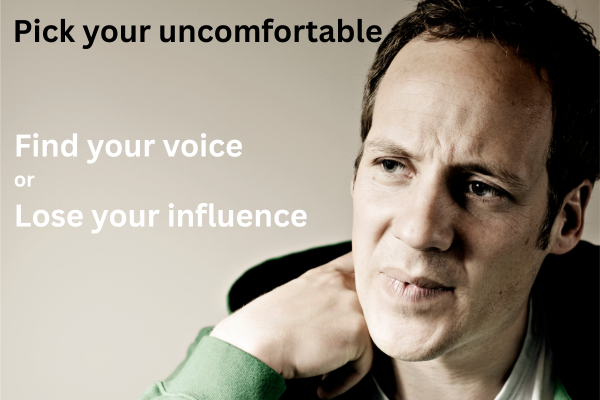
Pick your uncomfortable.